33 tonnes of mislabelled frozen food: how one council tip exposed a supply chain
An FSA food-crime operation seized over 33 tonnes of suspected illegal frozen food across Britain, starting with fraudulent labels spotted by one council.
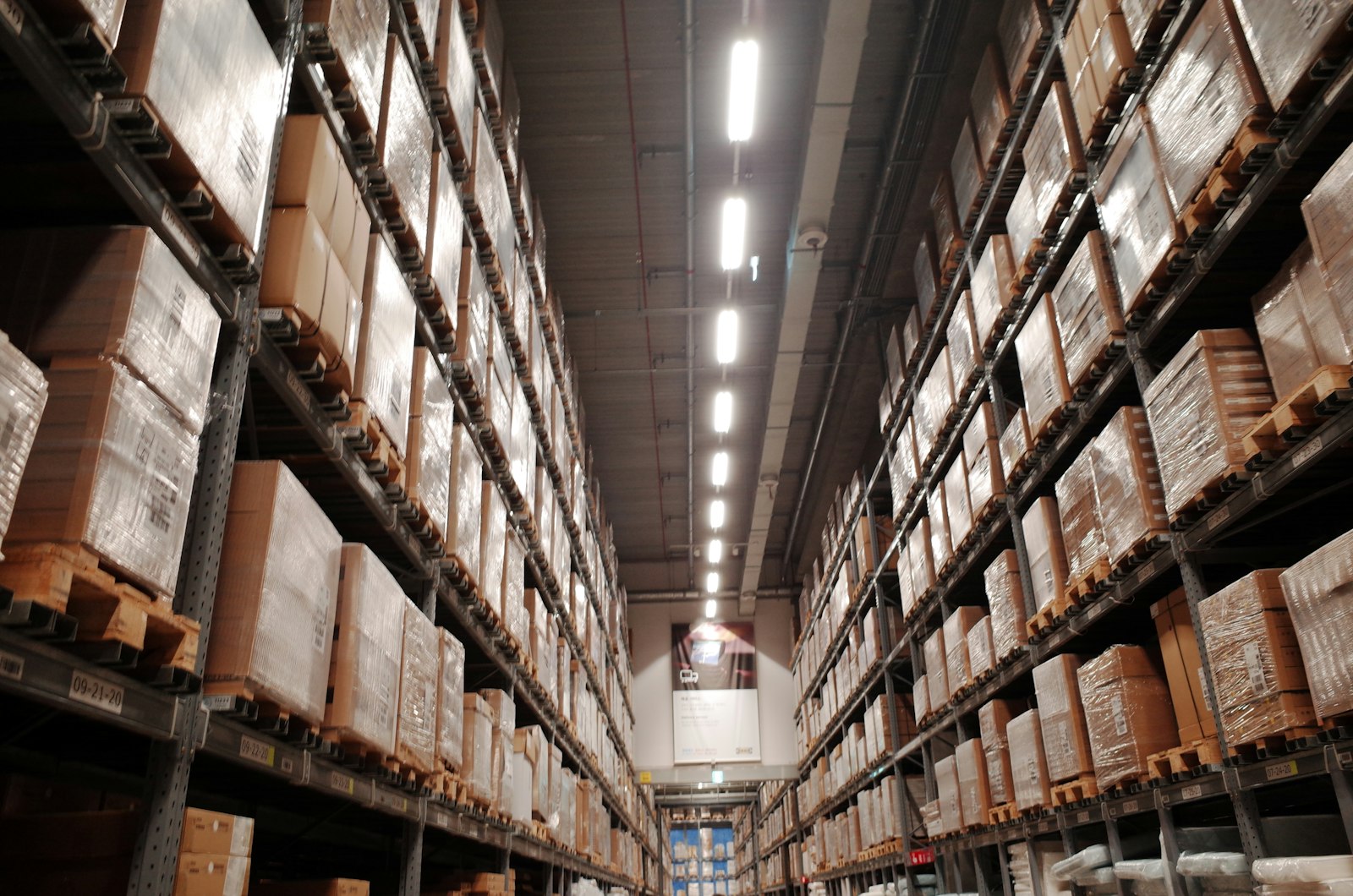
Twenty-five tonnes disposed of in June. Eight more seized across 111 shop visits. A single food-crime operation has pulled 33 tonnes of suspected illegal frozen food off the market, and it started with one council spotting fraudulent labels.
On 13 August the Food Standards Agency set out the scale of an operation run by its National Food Crime Unit (NFCU) alongside local authorities. After an arrest, NFCU officers disposed of 25 tonnes of suspected illegal frozen food in June. Local authorities then seized a further 8 tonnes across 111 visits to businesses, bringing the total to more than 33 tonnes since the operation began. The man arrested was released under investigation; enquiries continue.
The operation, in numbers
It started with labels that didn’t add up
What makes this case instructive is where it began. Stoke-on-Trent City Council found a premises selling frozen food products with fraudulent labels and no traceability, and alerted the FSA. That single tip opened an operation spanning England, Wales and Scotland, pulling in Greater Manchester and Staffordshire Police. The lesson for the trade is that mislabelling is rarely a small, contained problem, it is usually the visible edge of a supply chain that cannot account for itself.
The FSA was careful to say there is no indication of a health risk to the public in this case. But its head of the NFCU also made the wider point: mislabelled frozen food can pose health risks, because a false label hides what a product actually is, where it came from, and whether it was stored correctly. Traceability is not paperwork for its own sake; it is the mechanism that lets anyone work backwards from a plate to a safe, known source.
A false label doesn’t just mislead a shopper. It erases the trail that keeps food safe.
Why it connects to a hygiene rating
Every FSA hygiene inspection weighs how confident the inspector is in how a business is run, and traceability sits at the heart of that. A venue that cannot show where its stock came from is carrying exactly the weakness this operation exposed. It is why two businesses with equally clean kitchens can end up with different ratings: the one that documents its supply chain scores on management; the one that cannot, doesn’t.
How UK food venues score on hygiene
Share of rated restaurants, cafés, takeaways and pubs at each FSA rating (0-5).
Source: FindMyHygiene analysis of Food Standards Agency Food Hygiene Rating Scheme data, covering 204,375 rated venues in the four main eatery categories. Figures as published in the current data snapshot.
The great majority of venues get this right, two-thirds hold a top rating. The concern is the tail, and this operation is a reminder that mislabelled frozen product is one of the ways businesses drift into it.
What to do about it
For food businesses, the FSA’s implicit advice runs through the whole case: check your suppliers, keep the documentation, and be suspicious of frozen product whose labelling or price doesn’t add up. Stoke-on-Trent’s team said they are contacting premises that may have received affected products to ensure they are withdrawn and recalled, so operators who bought from the wrong source may hear from their council. If you have concerns about a product you have purchased, the FSA advises contacting your local Environmental Health team; suspected food crime can be reported confidentially to Food Crime Confidential.
Check the data yourself
Look up the official FSA hygiene rating for any restaurant, takeaway or shop, real inspection data, not reviews.
Sources
- Food Standards Agency, “Over 33 tonnes of suspected illegal food seized following NFCU arrest and partner operation,” published 13 August 2026. gov.uk
- Food Standards Agency, “National Food Crime Unit.” gov.uk
- Rating distribution: FindMyHygiene analysis of FSA Food Hygiene Rating Scheme data (current snapshot).
- Header image: Photo by Junseong Lee on Unsplash.
About this article
This is original analysis by FindMyHygiene, not a reproduction of any Food Standards Agency release. Factual details are drawn from FSA material published under the Open Government Licence v3.0. FindMyHygiene is an independent publication and is not affiliated with, endorsed by, or speaking for the FSA.
Legal note: the individual referred to has been arrested and released under investigation. No charge or conviction should be inferred. Nothing here should be read as an assertion of guilt.
Corrections: if you believe any figure or statement here is inaccurate, contact the editorial team. We review every query and publish a timestamped correction where one is warranted.
Corrections and clarifications
No corrections have been issued for this article. If you believe a statistic or claim is inaccurate, please contact the editorial team. We investigate every query and publish a timestamped correction if one is warranted.