Four arrests, four tonnes of illegal meat: the food crime that carries a real health risk
An FSA and Dudley Council operation shut down an unapproved meat plant, arrested four men and removed 4+ tonnes of illegal meat. Why it matters for what you eat.
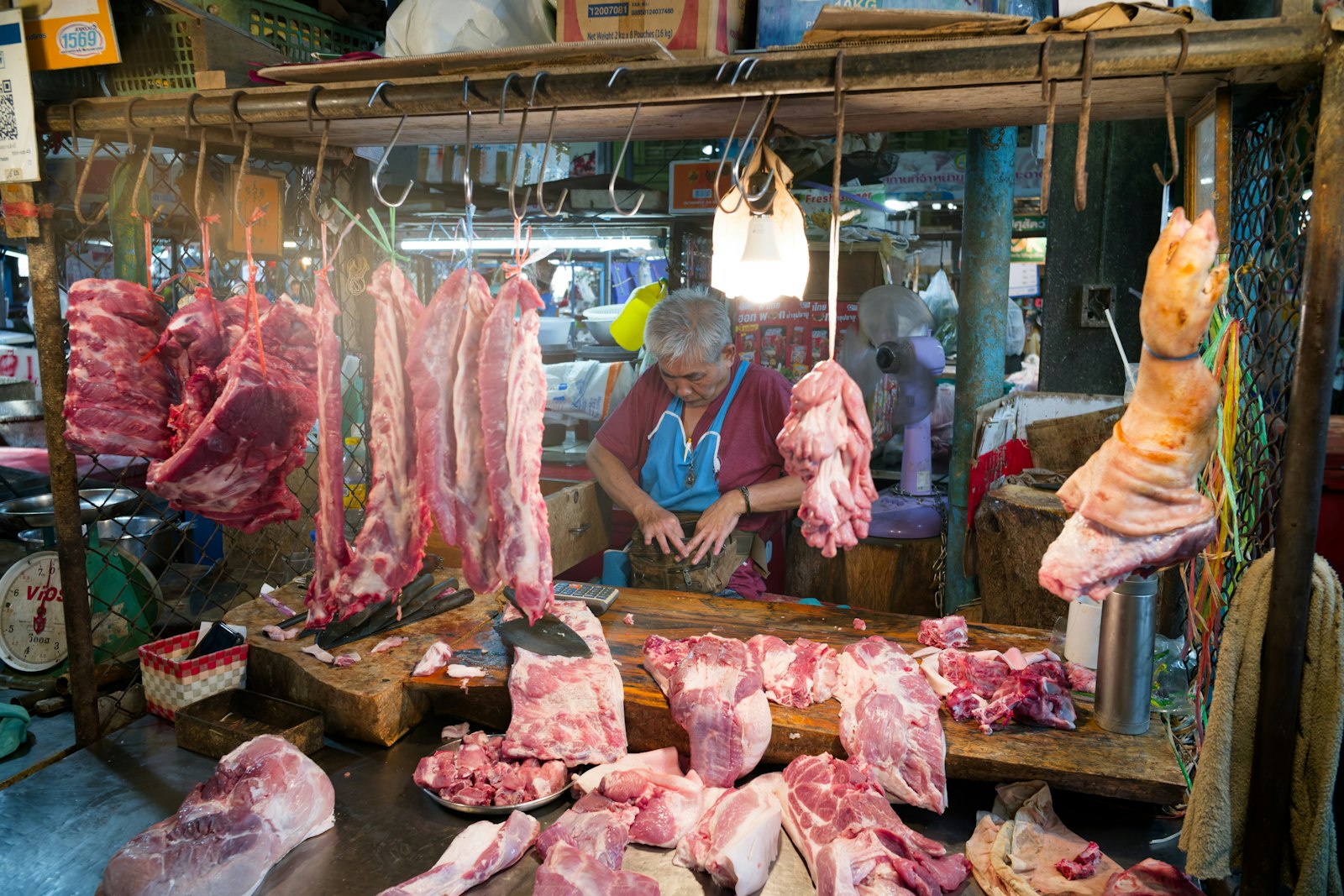
Four men arrested, an unapproved cutting plant shut down, and more than four tonnes of meat pulled from the food chain. Unlike a fraud that costs money, this one carried a genuine safety risk, and it points straight at why supplier checks sit inside every hygiene inspection.
On 4 August the Food Standards Agency reported the outcome of a joint operation by Dudley Council and the National Food Crime Unit (NFCU), working with West Midlands Police, HMRC and the Home Office. Officers attended an address in Dudley that was operating as an unapproved meat cutting plant. Four men were arrested and roughly four and a quarter tonnes of illegal meat were removed from the market. A criminal investigation is now under way, and the FSA has issued a Food Alert for Action.
The operation, in numbers
Why this one is a real safety story, not just a fraud
The counterfeit-wine cases that make headlines are frauds: the danger is to your wallet and to legitimate businesses, not usually to your health. Illegal meat is different, and more serious. When meat is cut and handled at an unapproved plant, it skips the inspection, temperature control and traceability that approved premises are legally required to maintain. The FSA put it plainly: meat placed into the food chain this way bypasses the checks that exist for a reason, and can carry diseases and contaminants that put consumers at risk.
That is exactly the ground a hygiene inspection stands on. A restaurant or takeaway can keep an immaculate kitchen and still fail on the thing that matters most here: can it prove its meat came from an approved, traceable source? Buying from an unapproved supplier, knowingly or not, is how contaminated product reaches a plate, and it is why “confidence in management”, the traceability and record-keeping side of an FSA inspection, carries so much weight in the final rating.
A spotless kitchen counts for little if the meat arriving at the back door was never safe to begin with.
The wider picture: where the risk concentrates
Illegal-meat cases are rare relative to the size of the trade, and the hygiene data shows most venues run properly. But the businesses most likely to end up handling untraceable product are, predictably, the ones already scoring poorly on management and record-keeping, the lower end of the rating scale.
How UK food venues score on hygiene
Share of rated restaurants, cafés, takeaways and pubs at each FSA rating (0-5).
Source: FindMyHygiene analysis of Food Standards Agency Food Hygiene Rating Scheme data, covering 204,375 rated venues in the four main eatery categories. Figures as published in the current data snapshot.
Around 4.5% of venues sit at 2 or below. Those are the pages worth checking before you order, especially for meat-heavy menus where supply-chain shortcuts do the most damage.
What it means for diners and businesses
For diners, the practical takeaway is simple: a venue’s hygiene rating already reflects how seriously it takes sourcing and record-keeping, so it is worth a look. For food businesses, the FSA’s message is direct, do your due diligence on suppliers, because the legal responsibility to sell food that is safe and is what it claims to be rests with you, not the person who sold you the box. If you have concerns about meat you have bought, the FSA advises contacting your local Environmental Health team; suspected food crime can be reported confidentially to Food Crime Confidential.
Check before you order
Look up the official FSA hygiene rating for any restaurant, takeaway or butcher, real inspection data, not reviews.
Sources
- Food Standards Agency, “Criminal investigation starts after four men arrested and illegal meat removed,” published 4 August 2026. gov.uk
- Food Standards Agency, “National Food Crime Unit.” gov.uk
- Rating distribution: FindMyHygiene analysis of FSA Food Hygiene Rating Scheme data (current snapshot).
- Header image: Photo by Kelvin Zyteng on Unsplash.
About this article
This is original analysis by FindMyHygiene, not a reproduction of any Food Standards Agency release. Factual details are drawn from FSA material published under the Open Government Licence v3.0. FindMyHygiene is an independent publication and is not affiliated with, endorsed by, or speaking for the FSA.
Legal note: the individuals referred to have been arrested and a criminal investigation is ongoing. No charge or conviction should be inferred. Nothing here should be read as an assertion of guilt.
Corrections: if you believe any figure or statement here is inaccurate, contact the editorial team. We review every query and publish a timestamped correction where one is warranted.
Corrections and clarifications
No corrections have been issued for this article. If you believe a statistic or claim is inaccurate, please contact the editorial team. We investigate every query and publish a timestamped correction if one is warranted.