55 bottles, £10,000 each: the counterfeit wine fraud that should worry buyers
The FSA's National Food Crime Unit has arrested a man over 55 bottles of suspected counterfeit wine sold at nearly £10,000 each. What it means for the trade.
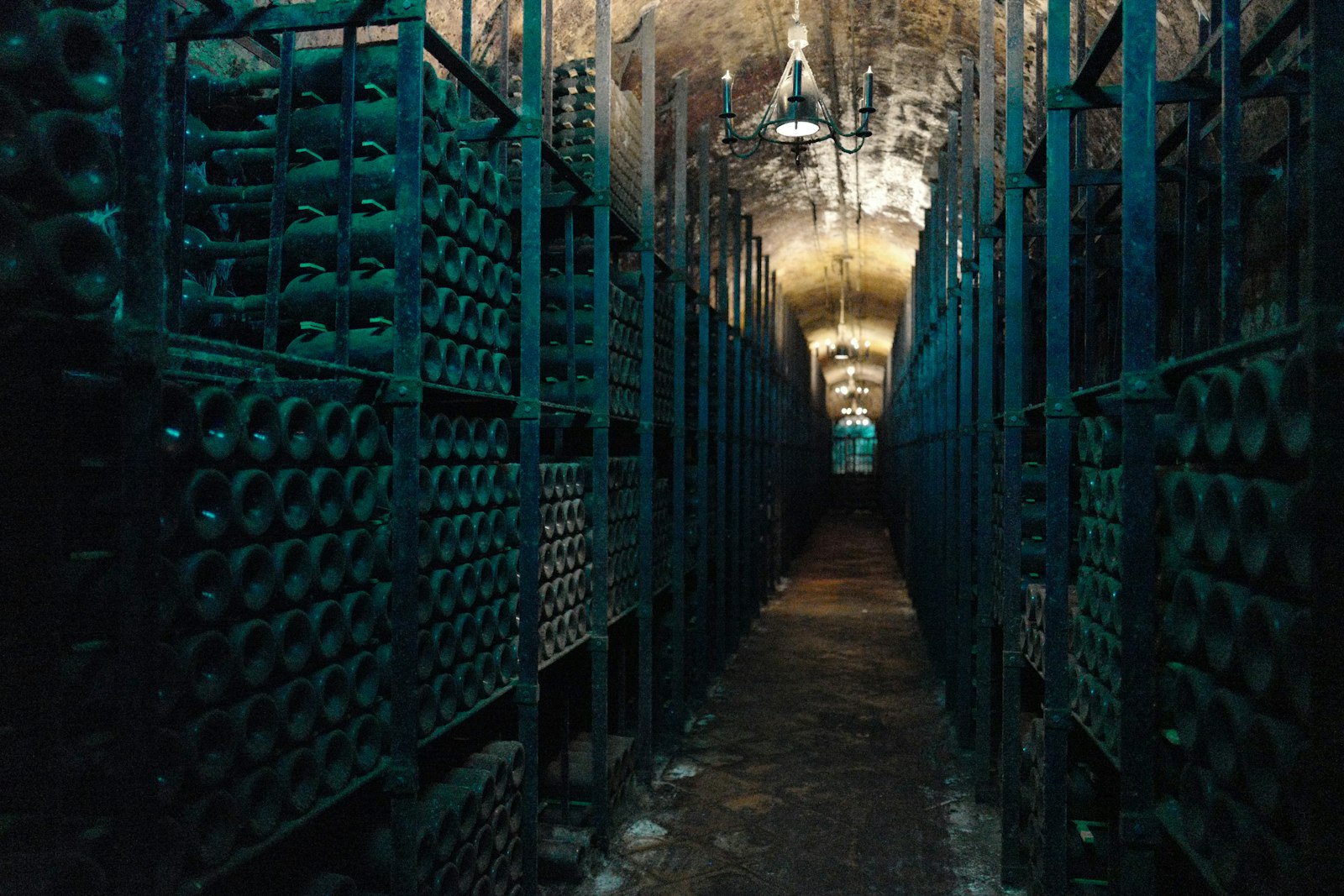
A single buyer paid over half a million pounds for 55 bottles of wine. The Food Standards Agency now suspects every one of them was fake, a reminder that food fraud climbs the price ladder as readily as it works the bargain end.
Most counterfeit-food cases trade on volume: thousands of cheap bottles, mislabelled and moved fast. The arrest announced by the Food Standards Agency on 26 August is the opposite, and more unsettling for it. Officers from the FSA’s National Food Crime Unit (NFCU), with the Metropolitan Police, attended an address in Essex on 20 August and arrested a 34-year-old man on suspicion of fraud by false representation. The alleged fraud: 55 bottles of suspected counterfeit wine, sold to a single unsuspecting buyer at nearly £10,000 a bottle, totalling more than £500,000.
The case, in numbers
Why the fine-wine end of fraud matters to the trade
At £10,000 a bottle, this is not the supermarket shelf, it is the world of collectible and investment-grade wine, sold to restaurants, private buyers and the hospitality businesses that build a reputation on rare lists. That is precisely what makes it a food-safety story as much as a fraud one. When authenticity fails at the top of the market, the businesses caught holding the fakes are the ones whose whole appeal is trust.
A venue’s hygiene rating rests partly on something inspectors call confidence in management, and a large slice of that is traceability: can a business prove where its stock came from? A cellar of “rare” bottles with no verifiable provenance is a governance gap, not just a financial risk. The FSA’s own investigator made the practical point plainly, urging businesses to check their suppliers and do their due diligence so the products they buy are legitimate.
Fraud doesn’t only work the bargain bin. At £10,000 a bottle, the con is trust itself.
The wider picture: fraud is the exception, not the rule
Cases like this can make the food and drink trade sound riddled with crime. The hygiene data tells a steadier story. Across the rated restaurants, cafés, takeaways and pubs in our index, the clear majority sit at the very top of the scale, with only a small tail scoring poorly.
How UK food venues score on hygiene
Share of rated restaurants, cafés, takeaways and pubs at each FSA rating (0-5).
Source: FindMyHygiene analysis of Food Standards Agency Food Hygiene Rating Scheme data, covering 204,375 rated venues in the four main eatery categories. Figures as published in the current data snapshot.
Two-thirds of venues hold a top 5-star rating and fewer than five in every hundred sit at 2 or below. Food crime is real, and the NFCU is clearly willing to pursue it at both ends of the price range, but it remains the exception in a trade where most operators run clean, traceable businesses.
What a buyer or venue can actually do
The lesson from a £10,000-a-bottle fraud is the same as from a warehouse of fakes: be able to prove provenance. Buy from established, reputable merchants; insist on documentation for high-value stock; be wary when a rare bottle is offered below what the market would expect; and treat “too good to be true” as the warning it usually is. For hospitality businesses, that paper trail is not just fraud protection, it is one of the things that keeps the management side of a hygiene inspection clean. Anyone who suspects food or drink fraud can report it confidentially to the FSA’s Food Crime Confidential line.
Check the data yourself
Look up the official FSA hygiene rating for any restaurant, pub or bar, real inspection data, not reviews.
Sources
- Food Standards Agency, “NFCU operation leads to arrest over suspected £500,000 of counterfeit wine,” published 26 August 2026. gov.uk
- Food Standards Agency, “National Food Crime Unit.” gov.uk
- Rating distribution: FindMyHygiene analysis of FSA Food Hygiene Rating Scheme data (current snapshot).
- Header image: Photo by Jennifer Yung on Unsplash.
About this article
This is original analysis by FindMyHygiene, not a reproduction of any Food Standards Agency release. Factual details of the NFCU operation are drawn from FSA material published under the Open Government Licence v3.0. FindMyHygiene is an independent publication and is not affiliated with, endorsed by, or speaking for the FSA.
Legal note: the individual referred to has been arrested and bailed. No charge has been brought and enquiries remain ongoing. Nothing in this article should be read as an assertion of guilt.
Corrections: if you believe any figure or statement here is inaccurate, contact the editorial team. We review every query and publish a timestamped correction where one is warranted.
Corrections and clarifications
No corrections have been issued for this article. If you believe a statistic or claim is inaccurate, please contact the editorial team. We investigate every query and publish a timestamped correction if one is warranted.